
My dad is considering switching industries, which means he’s been paying some overdue attention to his business speak. It occurred to him this week that he doesn’t have an “elevator pitch.” If you don’t know what an elevator pitch* is, read on, my fellow inebriates, because everyone should have one. As I said tauntingly to my dad, even I have one:
drunken little bear
advising hedonism:
party on, people
He says this is actually a haiku, but whatever, people. My dad doesn’t have an elevator pitch at all. So today I learned how to write a proper one, because I love my dad, plus I want him to bring even more liquor money home, and a good elevator pitch will help. Herewith, the five steps to writing a good elevator pitch—in this case applied to a bottle of wine.
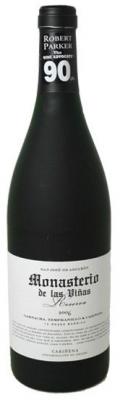
1. Who are you?
I’m MONASTERIO DE LAS VINAS RESERVA (2006), a Spanish blend of Garnacha, Tempranillo, and Carinena, aged 12 months in oak barrels.
2. What do you do?
I exude aromas of berry and spice while leering from the decanter in a purplish way while LB’s parents make him wait to sample me. On the palate I’m full-bodied and rich with earthy notes, firm tannins, and a long finish. I’m mature without having a musty Old World character, and you can’t really beat me for $14.95.
3. Who do you do it for?
I’d like to say I appeal to all drinkers, but I don’t think hard-core alcoholics (LB excepted) are buying me very often, as they gravitate toward massive jugs of vodka and giant boxes featuring marsupials. Basically, I’m here for everybody, but if you like to spread your $14.95 more economically, you might pass me by.
4. What do they want or need?
Most wine drinkers have no idea we have hit “peak wine,” and that global demand for wine is outstripping supply. In other words, you might be drinking wine because everybody else is. Some wine drinkers choose wine because they think beer will make them get fat or watch hockey. Some wine drinkers follow Robert Parker, who gave me 90 points, although he probably only swished me around his gums for 30 seconds or so. Drinkers like LB are thoroughly indiscriminate, so who knows? I have no idea what people want.
5. How do they change as a result?
They often get really freaking plastered, especially if they have a bottle to themselves.
Okay, so this isn’t working out exactly as I thought it would. Maybe you need to be sentient, like we are, MFI. This last statement—and I hope you’ve been following along with your own notes for this exercise, my fellow inebriates—this last statement is supposed to be the key to YOU and what you bring to the table. If you answer the five questions, you should be able to take your answer to number five—and voila! There’s your elevator pitch.
I expect my dad will be so grateful for this that he’ll buy me another bottle.

 One mark in PORCUPINE RIDGE SYRAH’s favor is its 14.5 percent alcohol, a kick-ass level that had me running for the decanter. First impressions: ripe, dark fruit with smoky, spicy chocolate on the nose. Snuffling around behind these promising chords is a hint of barnyard. On the palate, PORCUPINE RIDGE is mouth-filling and lively, with pepper and oak at the forefront. Gamey and earthy, it has palate-parching tannins and a tarry, anise finish, with wild-game notes never distant. For complexity, it’s well worth the experiment, but…well. It has too many notes.
 ALAMOS benefits from decanting. Once swished and swirled it releases a concentrated burst of dark fruit and earthiness and perhaps a little leather. The color is deep purple. Tasting notes from our local booze shop insist that it’s medium-bodied, but—and perhaps we’ve just been drinking lighter wines lately—ALAMOS knocked our socks off with its palate-coating mouthfeel. The tannins are firm, you get oak and chocolate plus hints of tobacco in the background, and the finish is lengthy and satisfying. Damn fine for $14.99.
 Liquorstore Bear