VIŇA CHELA RESERVE (2011)—Kick-ass intensity for those intense days we have sometimes at LBHQ (or just read about in the news)

Not one, not two, but THREE friends posted this on my Facebook wall today.

shepherd kills bear

Which, when you think about it, is actually kind of threatening.

When I first saw it I immediately went looking for my friend Scarybear. Not that he’s been known to venture into Bosnia-Herzegovina—or even off the couch—but I was concerned.

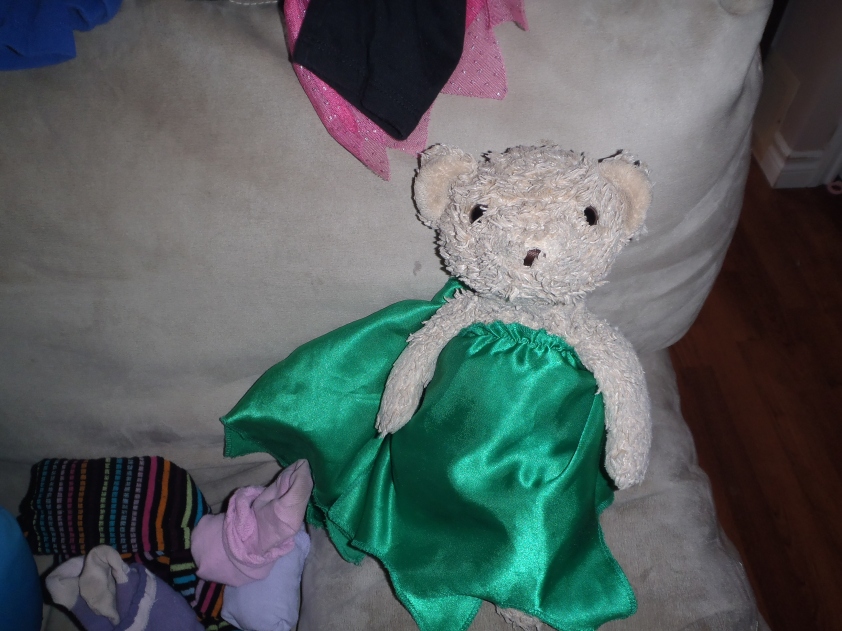
It took a bit of a search, but then, sure enough, there he was under the couch, wearing a dress.

"I will kill you if you post that photo, LB."

“I will kill you if you post that photo, LB.”

Which calls for wine, don’t you think? A palpable threat has been evaded. Oh, come on, just because we don’t always like Scary, it doesn’t mean we want him to be dead. Let’s have some vino.
vina chela

VIŇA CHELA RESERVE (2011) is an organic Argentine Malbec vinified from high-altitude grapes from the foot of the Andes. According to the bottle notes, the grapes were harvested early in the morning, then cold-macerated for three days at temperatures not exceeding 10°C to achieve optimal extraction. Then the wine was aged for seven months in French and American oak.

What the hell does all that mean, my fellow inebriates? Cold maceration, also known as the “cold soak method,” was originally introduced for Pinot Noir in an effort to get the finicky grapes to pony up max flavor instead of delivering half-assed astringent wine. Cold soaking proved successful for Pinot, and winemakers followed suit with other varietals, thereby capturing deeper color and elusive aromatics plus higher-quality tannins.

Malbec_grapes

At the very least, letting your grapes sit around at low temperature for a few days allows you to establish their chemistry and see what kind of sugars they’re going to surrender. The downside is you risk some spoilage and rogue fermentation, but cold soakers still swear by the method. Not that the science is precise—adherents’ reasons for cold soaking vary widely. Perhaps, they argue, certain qualities can be extracted best before the sugar develops into ethanol. Results claimed include increased flavors and aromas; higher complexity; more weighty mouthfeel; more intense color; and a higher-quality tannic profile.

But the jury’s still out on cold maceration. To date, few studies have been done. And although I urged my parents to run out and buy an Argentine Malbec that hadn’t been cold-macerated (as a control), they only commented that my alcohol-seeking ploys were getting more creative. Kudos, but no additional wine.

VIŇA CHELA RESERVE it is, then. Not very scientific of us to drink one bottle only, but oh well. Decanted, it looks like dark purple ink, dense and inviting. Off the top you get intense dark fruits and spice with a little bread yeast and cocoa. Not for the faint of heart (and 14% alcohol), VIŇA CHELA RESERVE coats the palate with a concentrated burst—thick and chewy and ripe. As it sits on the tongue it reveals bittersweet chocolate and herbaceous hints beneath buckets of black fruit. This wine is huge, people. Whatever S.A.E.V. Escorihuela did to extract this much fruit, it worked and then some.

And the best part? The bottle was $14. This Malbec is another great find, my fellow inebriates, so try and get your paws on it. If you are a bear, you will need someone with opposable thumbs to help you, which will put you in their debt, which sucks, but it’s better than being strangled by a Bosnian shepherd.

That's what you get for taking on a bear.

Scarybear says: “You just try coming to Canada.”

VINA ESMERALDA TORRES (2011)—Yummy wine, but it can’t get you drunk enough

Miss P left this sitting on a chair in the living room this morning.

P picture

Totally freaky, right? Only two things immediately occurred to me as more frightening:

  • Fluffy Bear (currently on hiatus from paranormal activities, but he may just be gathering up steam)
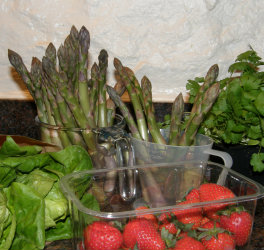
  • Being forced to eat asparagus (a recent study supports the long-suspected notion that it cures hangovers—but wouldn’t you rather have a hangover?)

So what the hell is going on with this picture? For quite a while P has been drawing females with flat heads, giant puckery lips, and grim expressions. Perhaps it’s a developmental phase; one of Dad’s colleagues says his own daughters are drawing flat-headed, big-lipped evil princesses too. Whatever the reason, such images are totally scary and therefore good reason to drink a bottle of wine.

Global Image Projects S.L.Beckoning from the fridge: VINA ESMERALDA TORRES (2011). Billed by our favorite booze-shop consultant as “the best turkey wine” he’s had in the last 20 years, this Spanish offering retails for $13.99 and consists of Moscatel d’Alexandrie (85%) and Gewurztraminer (15%). I am too drunk to put the little diacritics on those varietals, but you know what I mean. Nor do I care whether this wine pairs with turkey, which gets served maybe once or twice a year at LBHQ and invariably demands the sacrifice of a full bottle of sparkling wine to the cooking process—a sickening travesty compounded by the asparagus that may or may not accompany the cooked bird.

OLYMPUS DIGITAL CAMERA

Ackkkk!!

At 11.5% alcohol, VINA ESMERALDA isn’t really up to the brain-cell bludgeoning required to erase scary images, bear-directed trauma at the hands of young children, or terrifying paranormal episodes. It won’t erase shit—you really can drink the whole bottle without incident. And you should. Delicate floral aromas waft from the glass as the wine glass starts to sweat, releasing some spice and tropical fruit as it warms slightly. This is a gentle and refreshing wine with almost a hint of effervescence—nothing obnoxious, though, just a suggestion. Off-dry and easy-drinking, VINA ESMERALDA is virtually impossible to keep in your glass.

Needless to say, our bottle is all gone, and sobriety is around the corner again. And OMFG, my fellow inebriates, this freaky picture is still here, staring at me.

P picture  2

P picture  3

MICHEL TORNINO CUMA TORRONTES—Celebrating another Liebster

My Fellow Inebriates,

I was lucky enough to get nominated for another Liebster Award yesterday by the Lords of the Drinks.

liebster-blog-award

It’s been a long time since I was included in one of these awesome award chains—probably because I’m usually too drunk to read a ton of blogs, which makes me a real douchebag as far as the blogging community is concerned. But I do appreciate the nod, and despite already having a Liebster on my mantel, I’m going to treat it like an Oscar and put the new one beside it, with the understanding that I can stockpile as many of these damn things as I want, and the caveat that someday the Academy will hate me for it.

The Liebster comes with 11 highly topical questions formulated by the Lords of the Drinks. Here goes…

  1. What country are you from? CANADA.
  2. What’s your age? THE AGE OF REASON. YES, THAT MEANS I’M 7. BEARS ONLY LIVE TO BE ABOUT 32, AND THAT’S IF THEY DON’T GET SHOT FOR RAIDING SOMEONE’S CAMPSITE.
  3. How old were you when you first got drunk? A COUPLE OF DAYS OLD. I HAD JUST COME TO LIVE AT THE LIQUOR STORE AS A CHRISTMAS CHARITY BEAR, SO IT WAS INEVITABLE.
  4. What’s your favorite drink? GIN. AND RED WINE. AND BEER. AND SCOTCH. AND RYE.
  5. How many units of alcohol do you approximately drink per week? EIGHT, UNLESS I GET INCREDIBLY LUCKY.
  6. What kind of drunk are you (angry, sleepy, extra-social, horny, dramatic, dancing, etc.)? SOCIAL, EXTROVERTED, AMOROUS, HAPPY, SLEEPY, IN THAT ORDER.
  7. Is there any interesting local drinking custom, ritual, or game that you can share with us? LATELY I HAVE BEEN THINKING ABOUT YUKAFLUX, THE CANADIAN PRACTICE OF FLOATING CHUNKS OF FRUIT IN A COMMUNAL TUB OF HARD LIQUOR.
  8. Describe your most epic drunk night. “MOST”? I WOULD NEVER REMEMBER THE MOST EPIC ONE.
  9. Which drink (or mix) is certain to screw you up? TEQUILA WITH AN ILL-CONSIDERED WHITE WINE CHASER.
  10. Got any tips on how to have a good (drunk) night for little money? STAY AT HOME AND DRINK CHEAP HARD LIQUOR FROM A PLASTIC JUG.
  11. Is there a relatively unknown drink you can recommend us? RECENTLY AN ISLAY GIN HIT THE MARKET. I’M SALIVATING TO TRY IT.
I'd like to thank the Academy, which I hope will note the tasteful way P's kelly-green gown covers my six nipples.

I’d like to thank the Academy, which I hope will note the tasteful way this kelly-green gown (who’s dressing me? why, Miss P, of course…although I am a boy bear, damn it) covers my six nipples so tastefully.

And how do we celebrate our second Liebster? Why, with a gorgeous, aromatic Argentine Torrontés of course. Not only is MICHEL TORINO CUMA TORRONTES (2012) organic; it’s also a bargain at $13.99.

Torrontés is fast becoming my favorite varietal, with its lush, floral aromas and easy drinkability. The name Torrontés actually describes several types of grape, all originating with Muscat of Alexandria and varying in degree of fruity aromaticity. CUMA grapes come from the Cafayate region of northern Argentina, a landscape of dramatic variety situated about 1,700 metres above sea level where Tannat and Chardonnay grapes are also grown with great success.

CUMA torrontesCUMA is on the Consultants’ Choice rack at our local booze shop right now, and for good reason. Generously aromatic with apple, nectar, honey, melon, and spice, its olfactory invitation simply can’t be ignored. Even my dad, after trying a sip from Mum’s my  glass, went to the cupboard for his own glass, then matched me sip for sip until most of the bottle was gone. CUMA goes a step beyond FINCA LOS PRIMOS TORRONTES with an additional layering of flavors, firm structure, and decisive minerality. The finish is middling, so you find yourself going for the next sip sooner than you otherwise might and getting slightly drunk as a result. In other words, all good.
What makes CUMA’s value extraordinary is its organic methodology. Indeed, the word “CUMA” means “clean and pure” in the pre-Incan Aymara language. Michel Torino adopted ecological “zero farming” practices back in the 1990s, using organic material from the soil and weeds to farm the vineyards, thereby minimizing the use of chemicals and fertilizers, and achieving organic certification in 2005.

CUMA’s finesse and sophistication go beyond its modest price. It was the perfect bottle to celebrate a second Liebster, although—let’s face it—once I was half-shitfaced I had no inclination to go through the formalities of passing the torch. Go ahead, call me a dickhead.

DSCN2595