
My Fellow Inebriates,
 Last week’s inconsistent tasting of BREWMASTER’S BLACK LAGER left me wondering whether beer tasting is an art or a science. The first time I tasted this Okanagan Spring product, I felt shorted on substance; it seemed inadequately hefty for a black lager and sour on the finish. The second time I tried it, I didn’t mind it; it was quenching and good enough to warrant an apology to OK Spring if not a retraction. But get this—the third time I tried it I was disappointed again. Go figure.
 The Craft Variety Pack contains three BREWMASTER’S BLACK LAGER bottles, all of which are now empty. On the third tasting I again noticed the sourness at the end and the lack of weight. It wasn’t a satisfying dark beer. But I wondered…how could my palate ricochet from underwhelmed to pleased to newly disappointed?
Should I really be doing this…tasting?
As I told my dad, the true test would really be a fourth bottle, which he could purchase at our local booze shop if he were kindly inclined. That fourth taste could settle the argument—is BREWMASTER’S BLACK LAGER a decent beer or not? And what the hell is going on with my furry palate?
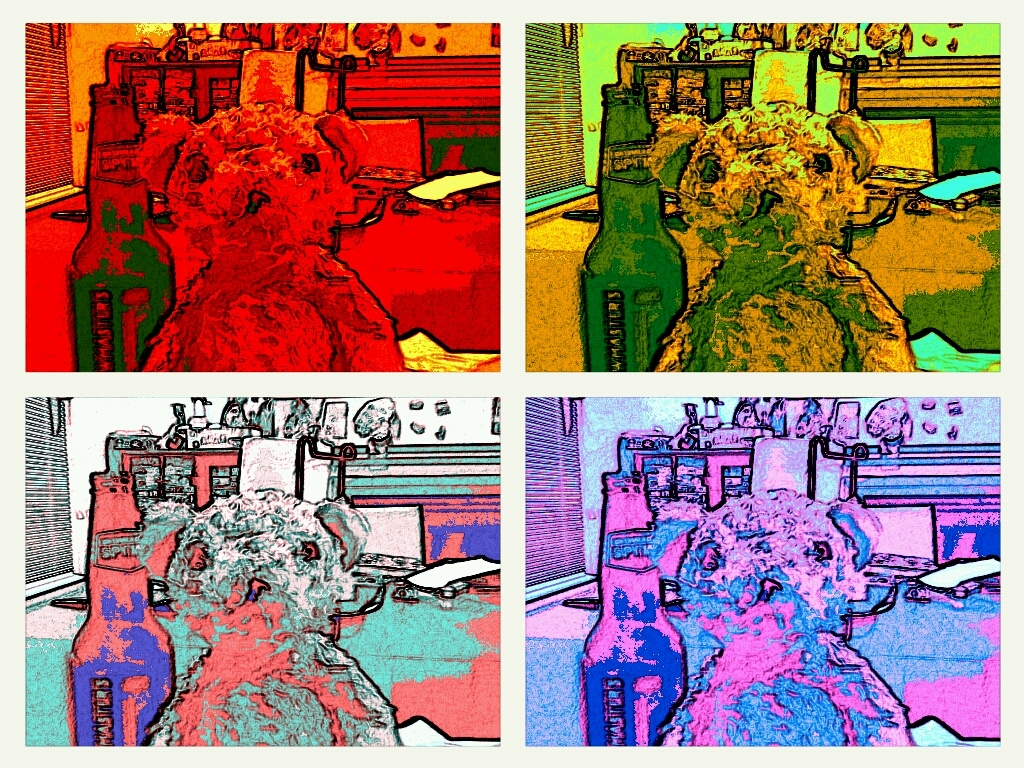
Fourth time's the charm, I just know it.
I suspect my problem is common to booze samplers of every ilk. But do they admit it?
 Take Robert Parker, for example. The most influential wine critic in the world, Parker is responsible for the inexplicable 51-100 score sheet (awarding all wines an initial 50 points just for existing) and has a profound influence not only on the market prices of high-end wines but on the growing practices of winemakers throughout the world. The guy has mad power, which translates into the scores he issues wines after swishing them around his gob for half a minute or so. He’s damned wines by assigning them 85 points and elevated others to supercommodities by flagging them over 95. And while he claims to remember the character of every wine that’s ever had the brief pleasure of the inside of his mouth, you have to wonder how reasonable it is to bet the farm on those 30-second judgments.

The Robert Parker rating system
Personally, I think you need to drink a full bottle of wine (and in the case of beer, at least a six-pack) to really understand its true character. To really know your booze, you have to take it from sober, reflective first sips through drunken, half-retching compulsivity and possible regifting to the toilet, right through to the hangover, which itself reveals a lot about a wine, beer, or spirit.
Now, you may think this is overly conscientious. You may think it’s too committed to providing an accurate review. But I think it’s essential, my fellow inebriates. Tastings involving one or two glasses of beer or wine aren’t nearly as thorough as tastings that get out of hand.
 Anyway, this was my argument to my dad about why he should buy a full case of BREWMASTER’S BLACK LAGER.
“But you didn’t even really like it,” he said.
“I know, but I want to study why.”
And my mum chimed in unhelpfully, “You may not respect Robert Parker very much but he would probably think you’re a complete retard.”
Leaving wine and my mother’s political incorrectness aside, how do you perform a reliable beer tasting? This checklist is paraphrased from Bryce Eddings with typical disrespectful liberties respect and dignity.
- Pour the beer. No chugging from the can or bottle —you need to observe the beer running down the side of the tilted glass as you pour. Pour at a speed that will produce a two-finger (half-paw) head.
- Look at the beer. What color is the head? Is it thin or dense? Is it rocky (with dips and peaks as the bubbles dissipate)? When you hold the glass up to the light, is it cloudy or clear?
- Sniff the beer. Take three good whiffs before sipping. Which is predominant—malt (dark) or hops (light)? Take notes before you start sipping and get wasted (or allow your palate to influence your nose).
- Sip the beer. Note how it feels. Is it sweet? Bitter? Fruity? Beer tastes different in the front of your mouth versus the back. Often the first sip is sweet but the finish is bitter.
- Consider the mouthfeel. Is it light or heavy? Fizzy or mildly carbonated?
- Experience the finish. What flavors linger after you swallow the beer? Hops produce a lingering bitterness, malt a sweet finish. Write it down. Consume more beer if you need to reconfirm your impressions.
 This last point is important, especially if your parents have tightened the purse strings on booze expenditures. Sometimes you need to consume one, two or even eight more beers to truly feel confident of your review. You mustn’t let parents people talk you out of this—your very integrity as a reviewer is at stake.
It won’t be the end of the world if we don’t buy more BREWMASTER’S BLACK LAGER. The beer had three chances and, taking the average, it was okay—even a little interesting. But there are lots of better dark lagers out there. Those of you who can go and buy them at the liquor store…well, you have it made.


 Liquorstore Bear