LOBKOWICZ BARON—Toasting our little grads

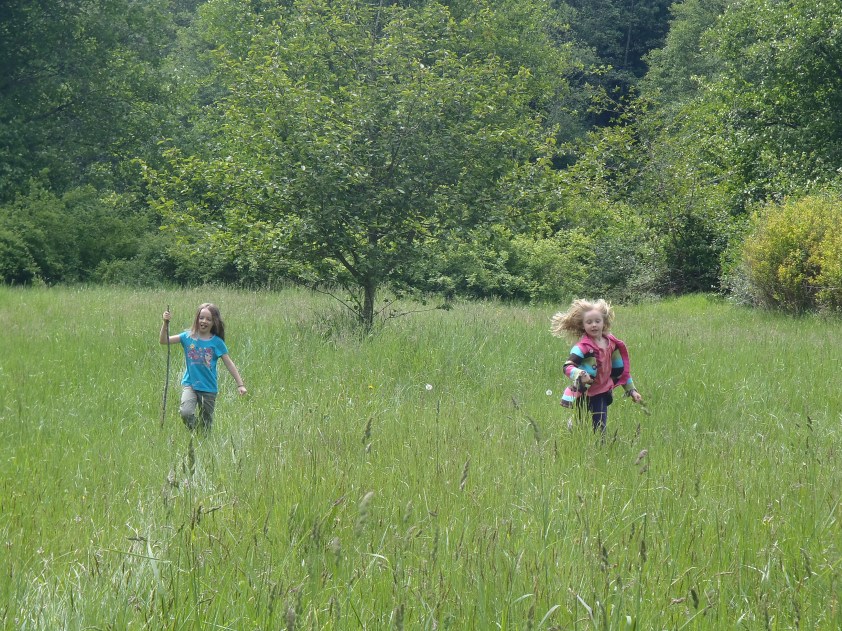
Congrats to our two little graduates, who rocked grades K and 2 this year. Obviously their accomplishments call for a toast, but when I suggested it, my parents accused me of appropriating the occasion as a drinking excuse. “Never!” I protested, while sidling over to our one bottle of red wine on the counter. But they nixed it and instead shared a solitary beer.

Baron beerMy mum had bought only one bottle of this Czech dunkel, LOBKOWICZ BARON on the weekend after watching a fellow customer load his entire basket with the stuff. He raved about it, pointing out the excellent price ($2.17/bottle) and describing it as dark and “sweet but not too sweet.” It sounded normal enough, so Mum shot out her hand and grabbed one before the dude could empty the shelf, and before long it was beckoning yours truly from the fridge.

Advancing to grades 1 and 3 is a big deal that warrants free-flowing liquor, I maintained, but it was not to be, so I will tell you about my tiny portion of LOBKOWICZ BARON. As promised by the dude in the liquor store, it was dark brown with persistent tan foam and a doughy aroma. Accompanying notes of malt, caramel, and yeast was a somewhat unwelcome metallic note all the more evident because of the beer’s simplicity. To be honest, it tasted like my dad made it, which I wish he had, because then we’d have a garage full of the stuff.

Overall, LOBKOWICZ BARON is friendly and uncomplicated, quite mainstream and, being on the sweet side, a good pick for drinkers who dislike being shit-kicked by wayward hops. But LOBKOWICZ BARON is very ordinary, and therefore inappropriate for significant occasions such as today’s. Certainly V, who was touted for her “inventive spelling techniques” and P, whose stint as “Goat Three” of “The Three Billy Goats Gruff” won her accolades, would side with me and advocate hitting the sauce early and wantonly. Too bad they are not in charge. But one day they will be.
OLYMPUS DIGITAL CAMERA

VIŇA CHELA RESERVE (2011)—Kick-ass intensity for those intense days we have sometimes at LBHQ (or just read about in the news)

Not one, not two, but THREE friends posted this on my Facebook wall today.

shepherd kills bear

Which, when you think about it, is actually kind of threatening.

When I first saw it I immediately went looking for my friend Scarybear. Not that he’s been known to venture into Bosnia-Herzegovina—or even off the couch—but I was concerned.

It took a bit of a search, but then, sure enough, there he was under the couch, wearing a dress.

"I will kill you if you post that photo, LB."

“I will kill you if you post that photo, LB.”

Which calls for wine, don’t you think? A palpable threat has been evaded. Oh, come on, just because we don’t always like Scary, it doesn’t mean we want him to be dead. Let’s have some vino.
vina chela

VIŇA CHELA RESERVE (2011) is an organic Argentine Malbec vinified from high-altitude grapes from the foot of the Andes. According to the bottle notes, the grapes were harvested early in the morning, then cold-macerated for three days at temperatures not exceeding 10°C to achieve optimal extraction. Then the wine was aged for seven months in French and American oak.

What the hell does all that mean, my fellow inebriates? Cold maceration, also known as the “cold soak method,” was originally introduced for Pinot Noir in an effort to get the finicky grapes to pony up max flavor instead of delivering half-assed astringent wine. Cold soaking proved successful for Pinot, and winemakers followed suit with other varietals, thereby capturing deeper color and elusive aromatics plus higher-quality tannins.

Malbec_grapes

At the very least, letting your grapes sit around at low temperature for a few days allows you to establish their chemistry and see what kind of sugars they’re going to surrender. The downside is you risk some spoilage and rogue fermentation, but cold soakers still swear by the method. Not that the science is precise—adherents’ reasons for cold soaking vary widely. Perhaps, they argue, certain qualities can be extracted best before the sugar develops into ethanol. Results claimed include increased flavors and aromas; higher complexity; more weighty mouthfeel; more intense color; and a higher-quality tannic profile.

But the jury’s still out on cold maceration. To date, few studies have been done. And although I urged my parents to run out and buy an Argentine Malbec that hadn’t been cold-macerated (as a control), they only commented that my alcohol-seeking ploys were getting more creative. Kudos, but no additional wine.

VIŇA CHELA RESERVE it is, then. Not very scientific of us to drink one bottle only, but oh well. Decanted, it looks like dark purple ink, dense and inviting. Off the top you get intense dark fruits and spice with a little bread yeast and cocoa. Not for the faint of heart (and 14% alcohol), VIŇA CHELA RESERVE coats the palate with a concentrated burst—thick and chewy and ripe. As it sits on the tongue it reveals bittersweet chocolate and herbaceous hints beneath buckets of black fruit. This wine is huge, people. Whatever S.A.E.V. Escorihuela did to extract this much fruit, it worked and then some.

And the best part? The bottle was $14. This Malbec is another great find, my fellow inebriates, so try and get your paws on it. If you are a bear, you will need someone with opposable thumbs to help you, which will put you in their debt, which sucks, but it’s better than being strangled by a Bosnian shepherd.

That's what you get for taking on a bear.

Scarybear says: “You just try coming to Canada.”

BEAR FLAG DARK RED BLEND—Freaky label for a freaky day

My Fellow Inebriates,

The head-lice notice came home from school AGAIN today. This time a kid in Miss V’s class has bugs, so my dad spent 15 minutes this evening combing through both girls’ hair to make sure LBHQ hadn’t been infested.

Despite her habit of bestowing hugs upon and sharing hats with every friend she has, P was relaxed during the inspection. V was freaking, though. Every few weeks one classmate or another has been positive for lice, and V is a natural pessimist, so she was probably thinking her number had come up.

Phew. No lice.

And that’s how the kids felt. Read this (from HealthLinkBC) and you’ll get a sense of how I felt.

Anything that can’t be washed (i.e., Blankets, coats, headwear, stuffed toys [italics mine]) can be treated by: placing in a closed plastic bag for 10 days or putting in a hot dryer for 20 minutes or putting in the freezer for 48 hours or ironing it.

OMFG!!!!

The choices, again:

  • Asphyxiation
  • Cooking/suffocation with motion sickness as a side bonus
  • Cryonic stasis (beside meat, probably)
  • Flattening and hot-branding

I repeat, OMFG, people. I need a drink stat. And the kids need to shave their heads. But FIRST I NEED A DRINK.

BEAR FLAG DARK RED BLEND to the rescue. Christine left this $13 bottle of unpretentious California vino when she visited last week, along with a sweater I’ve been using as a blanket. You should never really share sweaters if you’re concerned about lice, but we had no idea we’d be on Yellow Alert about lice, and I don’t think Christine meant to leave her sweater, especially since she could have predicted that I’d fetishize it. She did mean to leave the wine, because Christine is wonderful and genuinely cares about my alcohol supply.

bear flag wine

BEAR FLAG DARK RED BLEND bills itself as a “big, bold blend” of dark varietals (Zinfandel, Petite Sirah, Alicante Bouschet, Petit Verdot, and Tempranillo—a veritable Heinz-57 mixture). Compare the “DARK RED” with BEAR FLAG’s three other products (SMOOTH RED, SOFT WHITE, and BRIGHT WHITE) and you can see this outfit is all about sloshing as much into the vat as possible and seeing what comes out. Slap a hideous label on it and voila! Low expectations.

bear flag art 2

Promised tasting notes include chocolate, coffee, and blueberries accompanied by low tannins—an easy-drinker you could stuff under your arm and take to a casual barbeque. Let’s pour it.

Yes, it is a dark red wine, but not to the point of opacity. If anything it’s ruby-garnet and very agreeable to contemplate as it opens up. First aromas: earth, tobacco, stone fruit, and a slight 28-day wine kit–like backnote. First sips are pleasant, although I beg to differ with BEAR FLAG’s own marketing copy on boldness. This is a medium-bodied, fruit-forward wine with some sharp notes that mosh a little roughly with the rest of their tasting-note compadres.

BEAR FLAG reminds me a lot of Granny (my dead Granny, that is) because she probably would have liked it. Granny wasn’t an asshole about wine the way my parents are; she didn’t require a jammy explosion, and she probably would have enjoyed BEAR FLAG for what it is: an uncomplicated and totally drinkable blend. And if Granny hadn’t been too nice to say so, perhaps she would have told my parents off for being wine dickheads. Perhaps she would have told them they need to actually know something about wine to diss it credibly. And then she and I would have taken the bottle outside and downed it while she had a smoke.

bear flag artWhich is to say, I like BEAR FLAG. It’s not my favorite $13 wine, nor is it the most interesting wine in its price range. But it has a wacky, freaky label, especially if you like weird art, and—for you solid food fans—it probably would go pretty well with, um, what’s a solid food you would barbeque? How about a hamburger? I bet solid-food eaters would love BEAR FLAG with a hamburger. But they’d probably be freaked out when they opened the freezer to take the meat out and there was this frozen alcoholic bear beside it staring at them accusingly.

Luckily that won’t happen because the kids don’t have lice. This time.