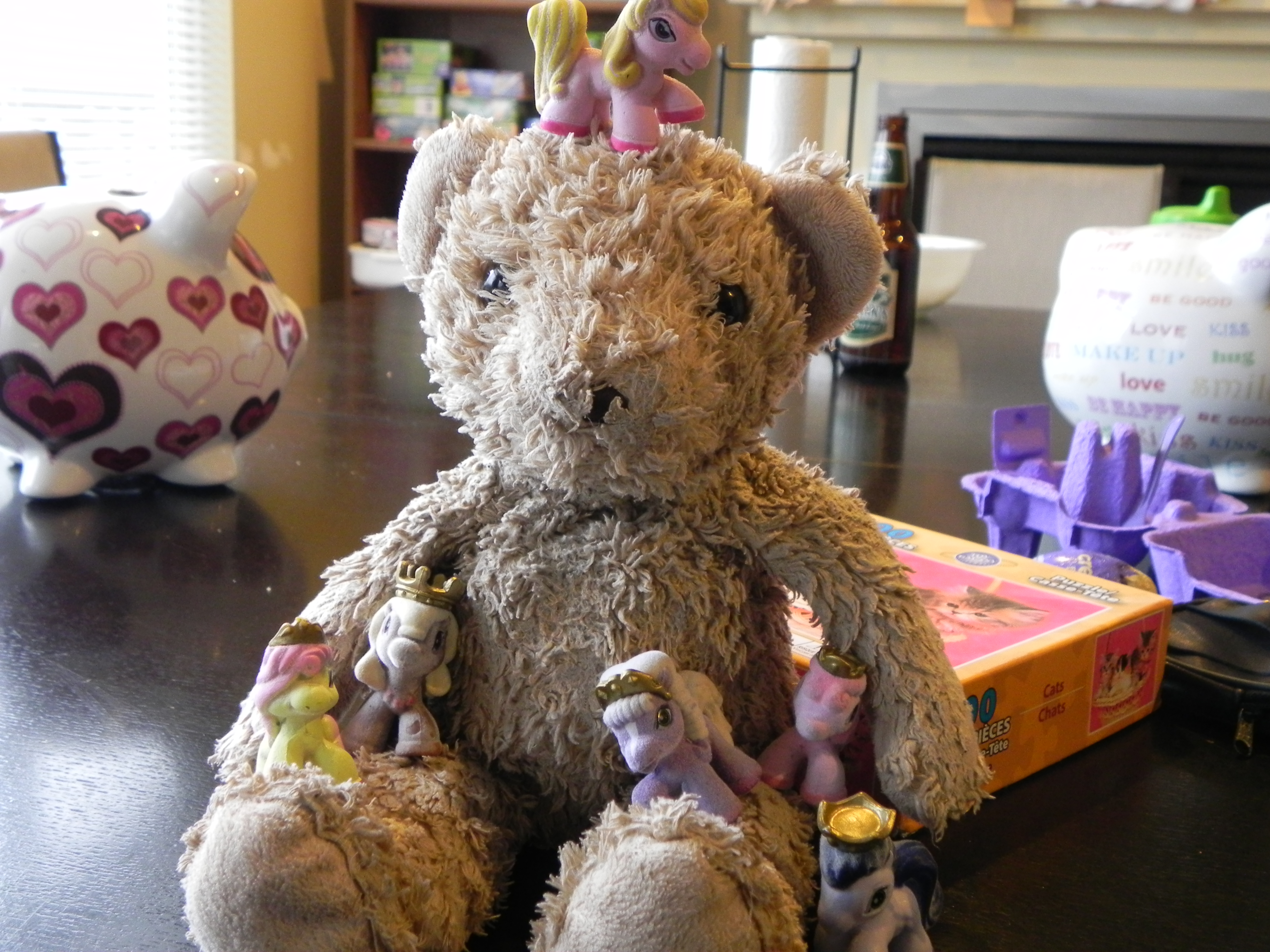
They’re under 40 inches tall and they’re running the show. By the smaller-is-more-powerful logic I, at 7”, should be Supreme Dictator at LBHQ, able to demand tequila, crème de bananes, Everclear, Bacardi 151, limitless vodka and whatever else takes my fancy.
Instead the budget is being blown on Goldfish crackers, apple sauce, shoes that get outgrown every two months, and—OMG! ponies.
When I last reported on the pony situation there were 21 My Filly ponies available, each with its own vapid biography.
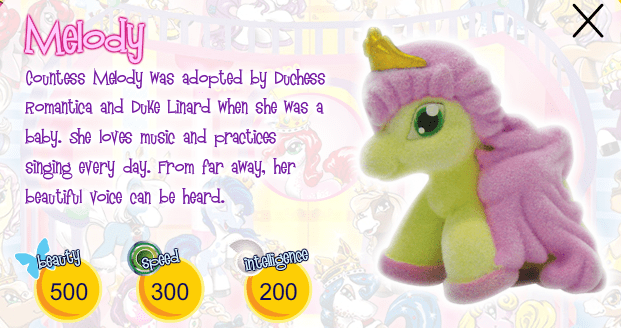
Hidden in one of the “blind bags” that package these 21 available ponies is the ultra-rare Princess Crystal, whose crown contains “CRYSTALLIZED™ Swarovski Elements”—which is to say this one coveted pony may actually be worth its $2.99 price. The other ones we just have to call “priceless” for the joy they bring they bring the kids.
 But seriously, pursuing Princess Crystal and all the other not-yet-obtained ponies in the pony family tree (they’re inbred like characters in a Russian novel) could take a million years and bankrupt us. If the girls remain obsessive about acquiring the precious Swarovski jewel, they’ll be returning weekly to Toy Traders years from now when their peers are spending their allowances on crystal meth. To date the equivalent of two cases of beer has been invested in ponies.
For a while we thought the pony preoccupation was ending. The kids have at least 15 now, which means—since they come in an opaque foil bag and you can’t tell what you’re buying—they’re starting to get doubles. What started out as a feel-good Saturday activity has become potentially disappointing; the kids feel burned when a bag contains a duplicate. Enough doubles and we could be out of this pony business and on to something else.
But the My Filly outfit is way ahead of us. Not wanting to let go of their captive little obsessive-compulsives, they made the sort of marketing move that makes any parent in thrall to kid-targeted marketing bullshit say, “Oh, fuck.” They multiplied the pony selection, creating four color schemes for each of the 21 characters, reinvigorating every little girl’s impossible quest to complete the set—without bothering to design new characters, create new molds, or otherwise incur any investment aside from a bit of dye. Now we have 85 to collect (Princess Crystal still being one-of-a-kind). Our finances will be ransomed to these bloody ponies.
 I was quite upset at this exponential pony growth. But after fretting about the beer money involved in buying 85 ponies ($284.75 with tax if you’re lucky enough never to get a double), I realized what a common marketing move My Filly had made. In fact, it’s no different from the strategies employed by companies such as Absolut with its 13 vodka varieties.
As I keep telling my dad, having a complete bar matters. If we stock our bar with every vodka we can think of, and then Smirnoff introduces marshmallow-flavored vodka, we have to get it. Likewise, Bacardi…I have no idea how many flavors they’re marketing but we need them all so we can feel part of this great…alcoholic wonderland. And if another wacky spirit comes out—Bakon vodka, for example—we need that too.
The cynical cookie-cutter marketing of flavored spirits is a model for companies such as My Filly who seek to enlarge market share without really creating anything new. Whereas wine tends to be marketed with the opposite philosophy (individuality being the hallmark of higher-end wine), spirit manufacturers keep yours truly on the hook for every trendy new permutation while barely moving a muscle. Or at least they would if my parents indulged me and stocked our bar.
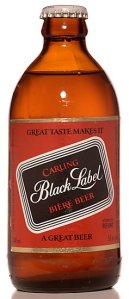 And what about beer? Brewers have probably done the most marketplace maneuvering of any liquor-manufacturing group, especially over the last three decades. When my parents sneaked their first sips from their parents’ beer bottles back in the ‘70s, those bottles were stubbies containing one of probably four lagers (think Black Label or Carling Pilsner). And when they tasted these entry-level beers, they said aaaahhhh! because there wasn’t anything else. Nobody was making their own. The microbrewing explosion hadn’t happened yet. There weren’t any dickhead neighbors brandishing a craft beer to envy. Options to macro brews didn’t exist. Back then, you drank your Black Label and loved it.
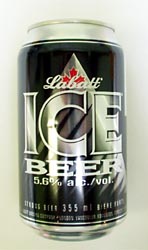 Enter the 1980s. With the proliferation of microbreweries came a disdain among beer drinkers for the metallic blandness of macro brews. As small-time competition ramped up, macro breweries thrashed about for new marketing gimmicks, introducing ice beer (ingeniously frozen to skim off extra water and thereby increase the alcohol concentration) and extra-strong beer—tweaks to ABV without much attention to taste. Meanwhile brew pubs (which are still illegal in some Canadian provinces) upped the ante, crafting beers with character and inserting their market presence into bars and restaurants—creating the demand that would finally enable them to carve out substantial territory on liquor-store beer shelves. Macro beer fought back with unbeatable pricing, half-naked swimsuit models, and massive bulk packaging. But the genie was out of the bottle—people wanted micro beer. They wanted distinctive flavors and characteristics. Just the way Malcolm Gladwell describes consumers wanting dozens of varieties of spaghetti sauce, people wanted variety in beer.
And yet…
People want variety, but not too much variety. Gladwell notably points out a study in which people were asked what characteristics they like in coffee. Interviewees said they appreciate a full, rich, dark roast. But the reality is that most people enjoy a thin, watery, light roast purchased at a place like Tim Horton’s. They like the idea of all those rich qualities, but their actual tastes are on a different page.
And beer companies have realized this is true of their market too. People say they want rich, malty, hoppy craft beers with lots of flavor going on, but in reality they often prefer a bland, fizzy, metallic macro lager. They identify with the former product but in the final analysis prefer the latter.
This isn’t everybody of course, but if you were marketing beer and you realized this schizophrenic aspect to the market, you’d want to cast as wide a net as possible. The result is a multiplicity of product in what used to be the beer aisle and is now a full third of the liquor store.
 The safest way to promote a less-than-mainstream beer seems to be to package it with three other beers in a sampler pack. We’ve purchased a few of these variety packs lately—mostly so I’ll have something to review and you won’t have to read me going off about ponies or hemorrhoids versus asteroids.
Invariably a sampler pack represents a compromise. My dad doesn’t really go for IPAs and my mum isn’t crazy about fruity flavors. Neither of them gravitates to a standard lager—and yet one is always included in a sampler pack for the sake of wide appeal. Typically a sampler pack contains an ale, a couple of lagers, and something weird. How freaking weird that fourth item is depends on the bravery or marketplace complacency of the brewer. With an established popular base you can presumably do anything.
 Which was my first thought when my Nana and Papa brought us a Whistler Brewing Company Travel Pack containing two lagers, and ale, and PARADISE VALLEY GRAPEFRUIT ALE. Holy shit! I thought—who would combine grapefruit and beer? WTF? How well-established and complacent must the Whistler Brewing Company be that it can marry such bizarrely different flavors?
There was nothing for it but to crack one of the damn things.
Billed as a summer ale, PARADISE VALLEY GRAPEFRUIT ALE has a malty blonde base with grapefruit zest and coriander. This sounded really gross but intriguing nonetheless. We poured it into a tumbler where it sat orangely and opaquely with about 1/3 of a paw of head. It was leering at us, daring us to try it in its grapefruity way.
 The citrus aroma is unmistakable, but whereas a lemon beer hits you with sourness and a candy tartness, PARADISE VALLEY GRAPEFRUIT ALE is all about zesty bitterness. Whistler Brewing has incorporated the dry depth of grapefruit zest without the tanginess—amazing! The grapefruit notes play nicely with the other malty, bready aromas.
On the palate grapefruit comes through clearly but doesn’t upstage the beer. Yes, this is a beer first and foremost—and although it has some serious bitter fruit to it, it doesn’t let you forget it’s a beer. The bitterness of the zest and the hops have a sophisticated interplay that wisely takes a backseat to the wheat backbone.
With moderate carbonation and a reasonable 5% alcohol, PARADISE VALLEY GRAPEFRUIT ALE is both refreshing and unusual. It’s definitely worth seeking out either in the bottle or on tap.
A six-pack is worth about four ponies, so you might have to wrestle a little girl for the money. Again, well worth it.




 Liquorstore Bear